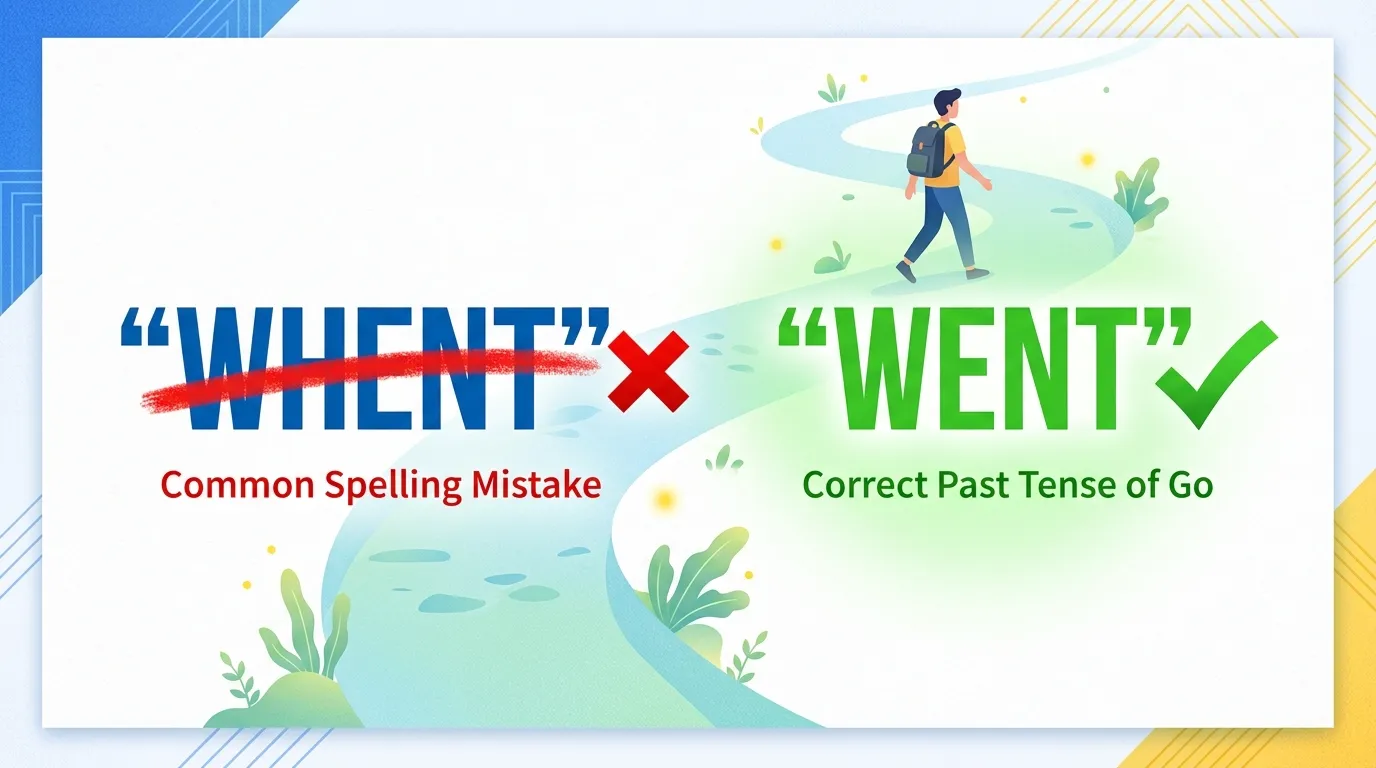
Whent or Went? 🤔 – “Went” is the correct past tense of “go,” while “Whent” is incorrect. ✅
Many people search for “whent or went” because they see both words used online, in comments, messages, or casual writing.
This creates confusion, especially for students, non-native English learners, and people writing quickly on phones or social media. Spell-check tools sometimes miss the mistake, which makes the confusion even worse.
The truth is simple, but the internet makes it look complicated. One of these words is correct and standard English, while the other is not a real English word at all. People often type the wrong spelling by accident because of fast typing, pronunciation habits, or confusion with the word when.
This article gives you a clear answer in seconds and a full explanation if you want details. You will learn the correct spelling, the origin of the word, common mistakes, real examples, and how to avoid errors in professional writing. By the end, you will never confuse whent or went again.
Whent or Went – Quick Answer
- Went → ✅ Correct
- Whent → ❌ Incorrect
Went is the past tense of go.
Whent is not a real English word.
Examples
- ✅ I went to the store yesterday.
- ❌ I whent to the store yesterday.
Quick rule:
Always use went. Never use whent.
The Origin of Whent or Went
Origin of Went
- Comes from Old English “wendan”
- Later became the past tense of go
- Used for hundreds of years
- Accepted in all forms of English
Why Whent Exists
- Typing mistake
- Confusion with the word when
- Pronunciation errors
- Informal internet usage
Important:
Whent has no dictionary meaning. It is simply a spelling error.
British English vs American English Spelling
There is no difference between British and American English here.
| Word | British English | American English | Correct |
| Went | ✅ Yes | ✅ Yes | ✅ |
| Whent | ❌ No | ❌ No | ❌ |
Both versions of English use went only.
Which Spelling Should You Use?
The answer is very clear.
- Use “went” in:
- School work
- Emails
- Articles
- Blogs
- News
- Social media
- Professional writing
- School work
- Never use “whent”
- Not formal
- Not informal
- Not slang
- Not correct
- Not formal
If your goal is clear and correct English, went is the only choice.
Common Mistakes with Whent or Went
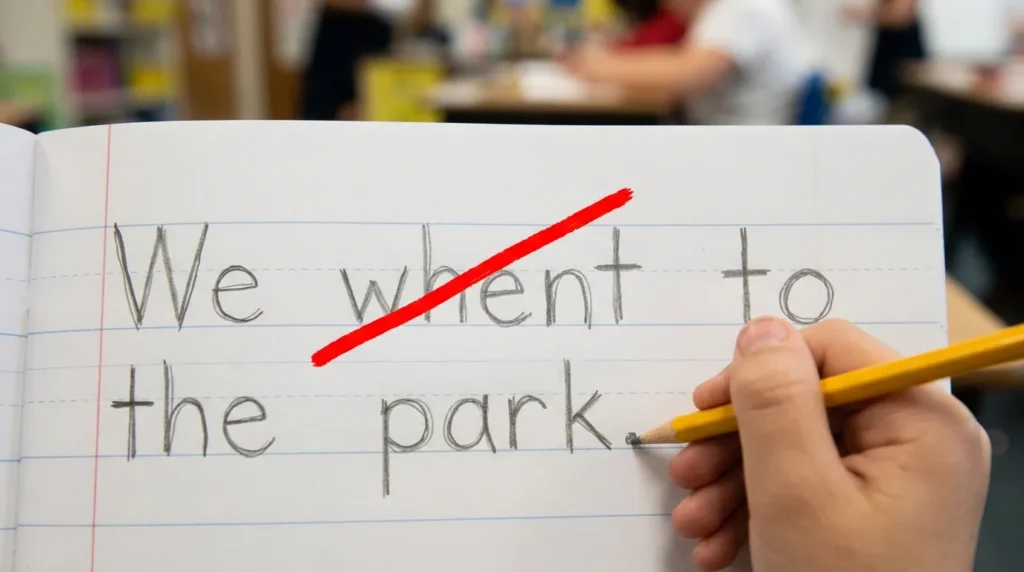
1. Typing Too Fast
❌ I whent home early.
✅ I went home early.
2. Confusing with “when”
❌ Whent did you go there?
✅ When did you go there?
3. Using Whent Casually
❌ Everyone whent to the party.
✅ Everyone went to the party.
4. Assuming Whent Is Informal English
Whent is not informal English. It is simply wrong.
Whent or Went in Everyday Examples
Emails
- ✅ I went through the report.
- ❌ I whent through the report.
News
- ✅ The president went abroad last week.
- ❌ The president whent abroad last week.
Social Media
- ✅ I went viral today!
- ❌ I whent viral today!
Formal Writing
- ✅ She went on to complete her degree.
- ❌ She whent on to complete her degree.
Whent or Went – Google Trends & Usage Data
Search behavior shows:
- Went → Extremely high usage
- Whent → Appears only in spelling-mistake searches
People search “whent or went” because:
- They want confirmation
- They are unsure if whent is real
- They want to avoid grammar mistakes
| Term | Usage Level | Meaning |
| Went | Very High | Correct |
| Whent | Very Low | Misspelling |
Comparison Table: Keyword Variations
| Word | Correct | Meaning | Recommendation |
| Went | ✅ Yes | Past of go | ⭐ Use always |
| Whent | ❌ No | None | 🚫 Never use |
FAQs
1. Is “whent” a real word?
No. It is not in dictionaries.
2. Why do people type whent?
Because of typing mistakes or confusion with when.
3. Is whent slang?
No. It is not slang or informal English.
4. Is went correct in all countries?
Yes. Went is correct worldwide.
5. Can whent be used creatively?
No. It is still incorrect.
6. Do spell-check tools catch whent?
Sometimes they miss it, so be careful.
7. What is the easiest rule to remember?
If you mean past tense of go, use went.
Conclusion
The confusion between whent or went is very common, but the answer is simple. Went is the correct and only acceptable spelling. It is the past tense of the verb go and is used in every form of English worldwide. Whent, on the other hand, is not a word at all. It comes from typing mistakes, fast writing, or confusion with when.
If you want clear, correct, and professional English, always choose went. Avoid whent in all situations, including casual writing. This small correction can greatly improve your writing quality and credibility.
Remember this one rule, and you will never make this mistake again
Avis or Budget: Which One Should You Choose? 🚗💰
.

I am James Whitmore. I love clear and honest English. I write to make hard words feel simple. My goal is to help readers write with confidence, without fear or confusion.