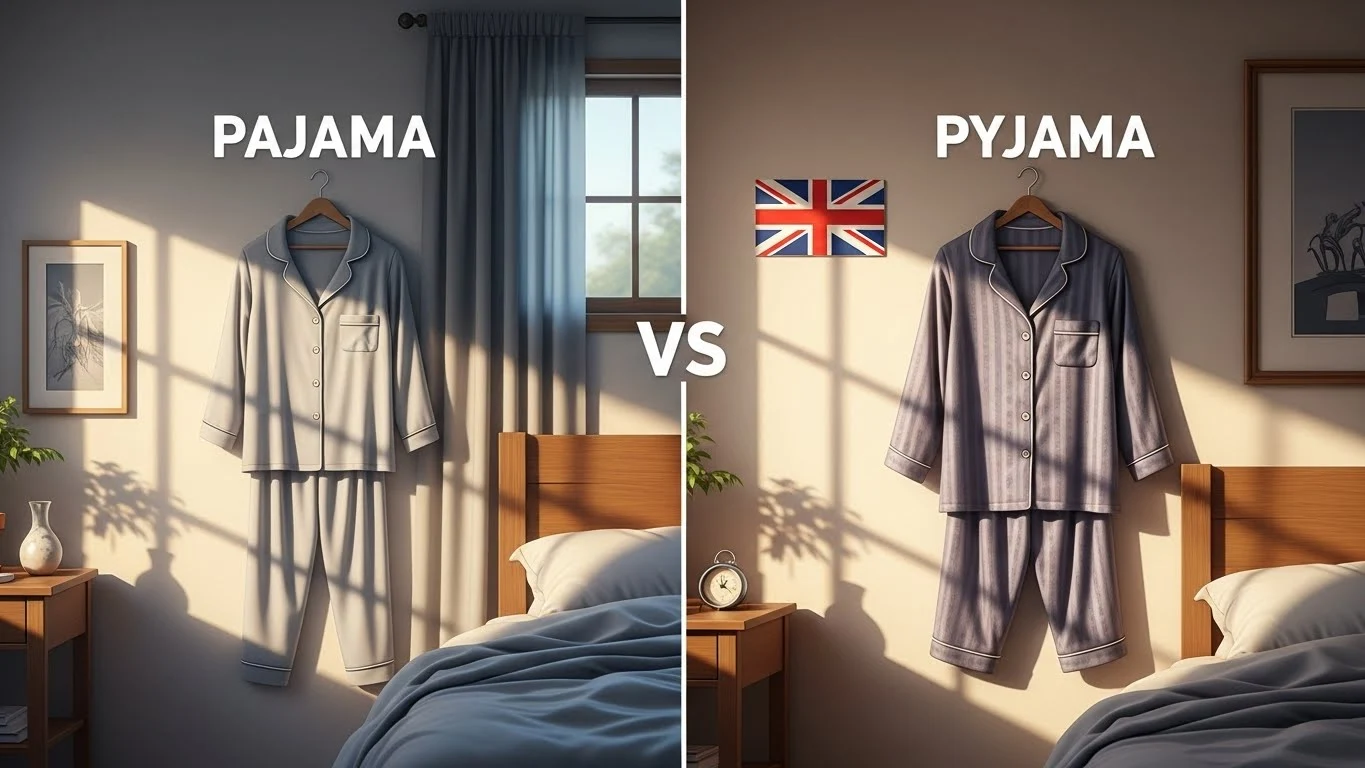
Many people search for “pajama or pyjama” because both spellings appear correct, yet they look different. You may see pajama in American movies and stores, while pyjama appears in British books and websites.
This creates confusion for writers, students, bloggers, and even brands that sell sleepwear online.
The confusion is not about meaning. Both words refer to the same thing: comfortable clothing worn for sleeping or relaxing.
The real question is about spelling, audience, and location. Should you use pajama or pyjama? Does one count as wrong? Does spelling affect professionalism or ?
This article clears up all confusion. It gives a quick answer, explains the origin and history, compares British and American English, shows real-life examples, includes tables, answers FAQs, and provides professional advice. The writing is simple and clear (Hemingway Grade 3 level).
By the end, you will know exactly when to use pajama or pyjama with confidence.
Pajama or Pyjama ; Quick Answer
- Pajama → ✅ American English
- Pyjama → ✅ British English
Examples:
- I bought new pajamas in New York.
- She wore silk pyjamas in London.
👉 Both are correct. The choice depends on your audience.
What Does Pajama / Pyjama Mean?
Simple Definition
Pajamas / Pyjamas are:
- Clothes worn for sleeping
- Comfortable home wear
- Often made of cotton, silk, or flannel
Singular and Plural Use
The word is usually plural.
Examples:
- My pajamas are clean.
- These pyjamas feel soft.
Singular use (a pajama) is rare but sometimes used in fashion.
Read more about: Handful or Handfull: Which Spelling Is Correct ?
The Origin of Pajama or Pyjama
Historical Background
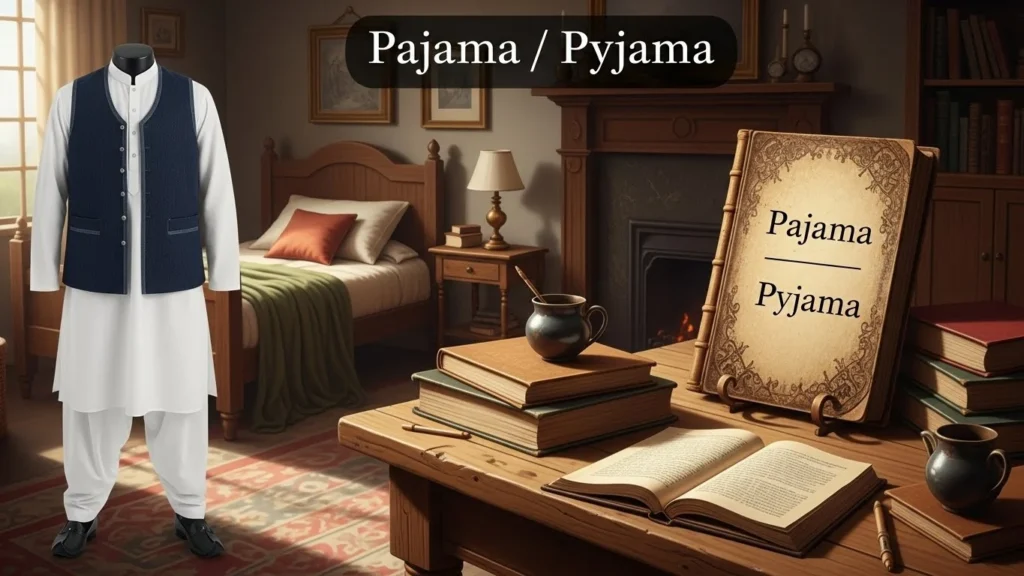
The word comes from Persian and Hindi:
- Pāy-jāmeh → “leg garment”
British colonists adopted the word in the 18th century. It entered English through India.
Why Two Spellings Exist
When the word entered English:
- British English used pyjama
- American English simplified it to pajama
Both spellings evolved naturally and became standard in their regions.
British English vs American English Spelling
This difference is a classic example of UK vs US spelling variation.
| Feature | American English | British English |
| Spelling | Pajama | Pyjama |
| Pronunciation | Same | Same |
| Meaning | Same | Same |
| Usage | USA | UK, Commonwealth |
There is no difference in meaning, only spelling.
Which Spelling Should You Use?
Use Pajama If Your Audience Is:
- United States
- American brands
- US-based websites
- American schools
Use Pyjama If Your Audience Is:
- United Kingdom
- Australia
- Canada
- India
- Commonwealth countries
Global Audience Advice
If your audience is global:
- Choose one spelling
- Stay consistent
- Match your brand voice
For, local spelling matters.
Pajama or Pyjama in Everyday Examples
Emails
- I forgot my pajamas at home.
- Pack your pyjamas for the trip.
News
- Pajama sales increase in winter.
- Pyjama trends change yearly.
Social Media
- Pajama day at work 😄
- New pyjamas arrived!
Formal Writing
- The study examined pajama comfort.
- Pyjama fabrics were analyzed.
Common Mistakes with Pajama or Pyjama

Mistake 1: Mixing spellings
❌ pajama in one paragraph, pyjama in another
✔ Choose one and stay consistent
Mistake 2: Thinking one is wrong
❌ Believing pyjama is incorrect
✔ Both are correct regionally
Mistake 3: Wrong plural form
❌ pajama’s
✔ pajamas / pyjamas
Pajama vs Pyjama ; Comparison Table
| Feature | Pajama | Pyjama |
| Correct spelling | ✔ Yes | ✔ Yes |
| American English | ✔ Yes | ❌ No |
| British English | ❌ No | ✔ Yes |
| Meaning | Sleepwear | Sleepwear |
| Pronunciation | Same | Same |
Pajamas or Pyjamas? (Plural Forms)
Both forms are plural nouns.
| Singular | Plural |
| Pajama | Pajamas |
| Pyjama | Pyjamas |
Most speakers use the plural form naturally.
Pajama or Pyjama ; Google Trends & Usage Data
Search trends show:
- Pajama dominates searches in the US
- Pyjama dominates searches in the UK, Australia, and India
- Both are stable and widely used
tip:
- Match spelling to search location
Pajama vs Pyjama in Retail and Fashion
American Stores
- Pajama sets
- Pajama pants
- Kids’ pajamas
British Stores
- Pyjama sets
- Pyjama bottoms
- Children’s pyjamas
Brands localize spelling to buyers.
Why Pronunciation Is the Same
Both spellings sound like:
puh-JAH-muh
Spelling differences do not affect speech.
Related Words with Similar Differences
| American | British |
| Color | Colour |
| Pajama | Pyjama |
| Theater | Theatre |
| Check | Cheque |
Pajama vs pyjama follows the same pattern.
Pajama or Pyjama in Writing Style Guides
- APA (US) → Pajama
- Oxford Style (UK) → Pyjama
- Chicago Manual → Pajama
Always follow the guide relevant to your audience.
FAQs
1. Is pajama American English?
Yes.
2. Is pyjama British English?
Yes.
3. Are they pronounced differently?
No.
4. Is one more correct?
No. Both are correct regionally.
5. Can I use either in ?
Yes, but match your audience.
6. Which spelling is older?
Pyjama came first in British English.
7. Should brands choose one?
Yes, consistency matters.
Professional Writing Advice
- Know your audience
- Match local spelling
- Be consistent
- Avoid mixing styles
- Follow your style guide
Correct spelling improves trust and clarity.
Conclusion
The choice between pajama or pyjama is not about right or wrong. It is about location and audience. American English uses pajama, while British English and many Commonwealth countries use pyjama. Both words share the same meaning, history, and pronunciation.
Understanding this difference helps writers, students, and businesses communicate clearly. When you match spelling to your audience, your writing looks professional and intentional. Whether you are writing a blog post, an email, or an online store listing, choosing the correct regional spelling makes a strong impression.
Once you know this rule, the confusion disappears for good.

Hye ! I am Henry P. Whitmore i am English writer known for my clear and practical approach to English grammar, word usage, and language clarity. I focuses on helping learners, writers, and professionals understand confusing English terms in a simple way. My work is especially useful for people who struggle with spelling differences, word meanings, and correct usage in everyday writing