Many people search for “hickeys or hickies” because they are unsure which spelling is correct. You may have seen both versions online, in text messages, or on social media.
One friend writes hickeys. Another writes hickies. Spellcheck may flag one and accept the other. This creates doubt.
The confusion matters more than it seems. Using the wrong spelling can look careless in writing.
It can also distract readers or change how professional your message feels. Students, writers, bloggers, and even journalists want a clear answer they can trust.
This article solves that problem. It gives a fast, simple answer first. Then it explains where the word comes from, why two spellings exist, and how English rules apply.
It also shows which spelling to use for different audiences, common mistakes, reallife examples, search trends, and FAQs. By the end, you will know exactly when to use hickeys or hickies and why.
Hickeys or Hickies ; Quick Answer
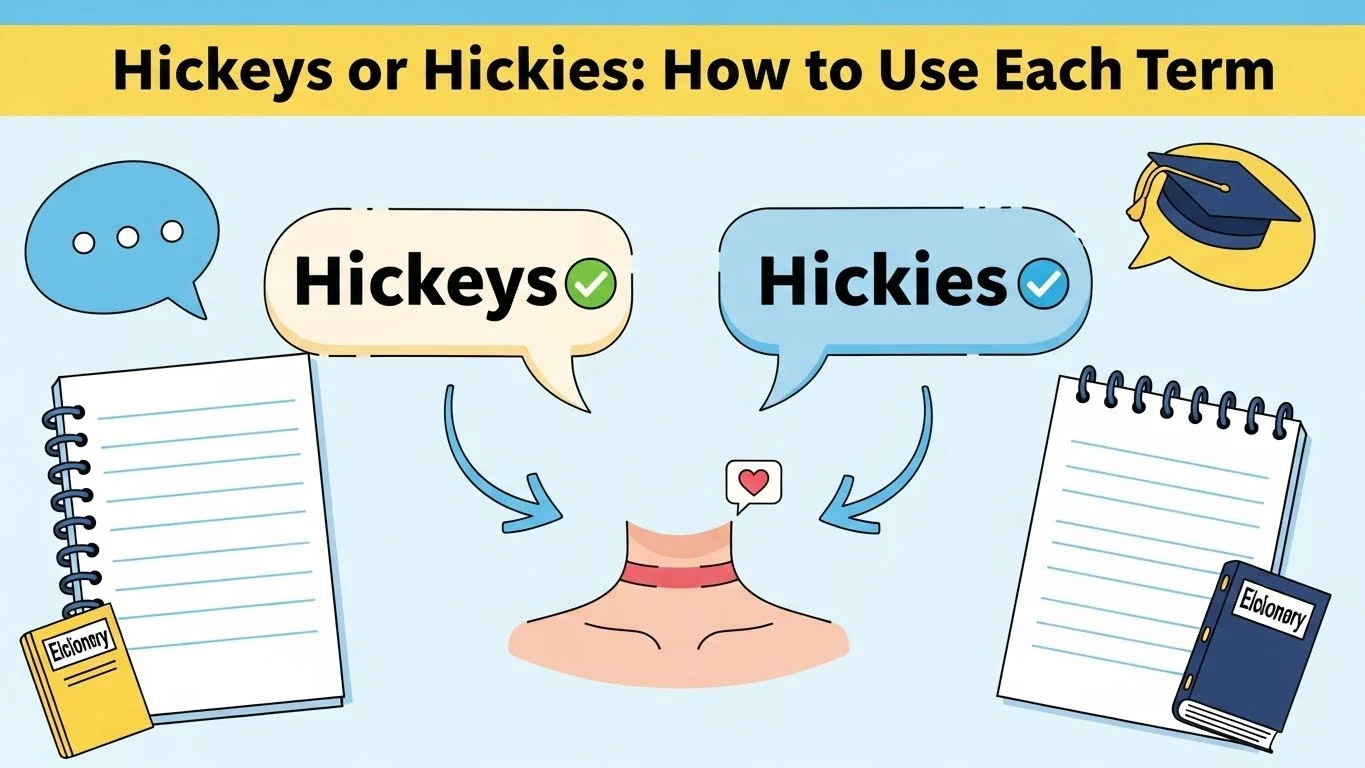
“Hickeys” is the standard and preferred spelling.
“Hickies” is an informal variant.
Examples:
- Correct and common: “He had a few hickeys on his neck.”
- Informal and less common: “She joked about the hickies.”
Both refer to the same thing. Only the spelling changes. In formal or published writing, hickeys is the safer choice.
Read more about: Is It Carma or Karma? Explained Simply 2026
The Origin of Hickeys or Hickies
Origin of the Word “Hickey”
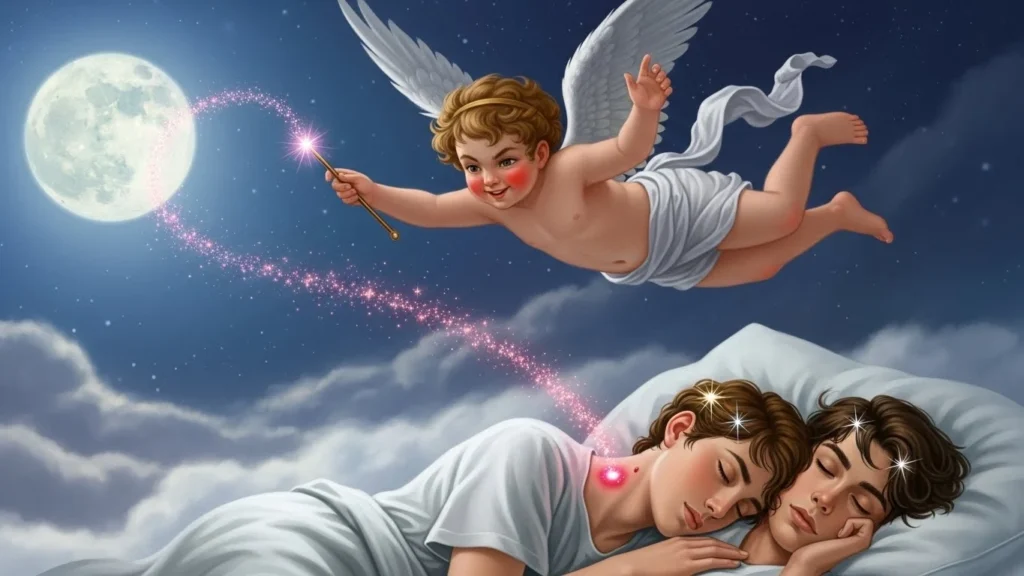
The word hickey dates back to the early 1900s in American English. It originally meant a small swelling or blemish on the skin. Over time, it became linked to a specific cause: suction on the skin, usually during affection.
The word likely comes from:
- An old slang term for a lump or swelling
- Possibly influenced by earlier dialect words for bumps
Why Two Spellings Exist
English often changes spelling when adding -s or -ies to words ending in -y.
- If a word ends in a consonant + y → y changes to ies
- If it ends in a vowel + y → just add s
“Hickey” ends in -ey, not just -y. That is why hickeys follows standard rules.
“Hickies” appeared because:
- People applied the wrong plural rule
- Informal writing spread the variant online
British English vs American English Spelling
There is no difference between British and American English for this word.
Both dialects prefer hickeys.
Comparison Table
| Aspect | American English | British English |
| Singular | Hickey | Hickey |
| Plural (standard) | Hickeys | Hickeys |
| Informal variant | Hickies | Hickies |
| Preferred form | Hickeys | Hickeys |
The difference is not regional. It is about formality and correctness.
Which Spelling Should You Use?
The choice depends on audience and context.
Use “Hickeys” When:
- Writing essays or articles
- Posting blogs or news content
- Communicating at work or school
- Aiming for correct spelling
Use “Hickies” When:
- Writing casual texts
- Quoting informal speech
- Mimicking slang or dialogue
Audience-Based Advice
- US audience: Use hickeys by default
- UK/Commonwealth: Also use hickeys
- Global audience: Use hickeys for clarity
If unsure, choose hickeys. It is always accepted.
Common Mistakes with Hickeys or Hickies
Mistake 1: Thinking “Hickies” Is More Correct
It is not. It is informal.
Mistake 2: Mixing Spellings in One Text
Choose one spelling and stay consistent.
Mistake 3: Assuming Spellcheck Is Wrong
Most dictionaries list hickeys as the main form.
Mistake 4: Treating Them as Different Words
They mean the same thing. Only spelling changes.
Correct Usage Tip
When writing for the public, always use hickeys.
Hickeys or Hickies in Everyday Examples
Emails
“The article explains the slang term hickeys clearly.”
News Writing
“Photos showed visible hickeys, sparking online discussion.”
Social Media
“Trying to hide these hickies before work.”
Formal Writing
“The term hickey refers to a temporary skin bruise caused by suction.”
Hickeys or Hickies ; Google Trends & Usage Data
Search data shows that “hickeys” is far more common than “hickies.”
General Trends
- Hickeys dominates search results
- Hickies appears mostly in casual searches
- Both spike during pop culture moments
Popular Regions
- United States: highest usage
- Canada and UK: moderate usage
- Global English users: prefer standard spelling
Most people searching this keyword want to know which spelling is correct.
Keyword Variations Comparison Table
| Term | Type | Formal Use | Notes |
| Hickey | Singular | Yes | Standard |
| Hickeys | Plural | Yes | Preferred |
| Hickies | Plural | No | Informal |
| Love bite | Phrase | Yes | UK common |
| Neck bruise | Description | Yes | Neutral |
FAQs
1. Are hickeys and hickies the same?
Yes. They mean the same thing.
2. Which spelling is correct?
Hickeys is the correct and standard spelling.
3. Is “hickies” wrong?
It is not wrong, but it is informal.
4. Do dictionaries accept both?
Most list hickeys as primary.
5. Is there a British spelling difference?
No. Both regions use hickeys.
6. Should I use “hickies” in writing?
Only in casual or quoted text.
7. Why do people confuse the spellings?
Because of English plural rules with “y.”
Conclusion
The confusion between hickeys or hickies comes from English spelling rules and casual online use. While both forms appear in everyday language, only one is standard. Hickeys follows proper plural rules and is accepted in dictionaries, schools, and professional writing.
“Hickies” survives mainly in informal speech and texting. It is not wrong, but it is not the best choice for clear communication. When writing for a wide or global audience, using hickeys avoids doubt and looks more polished.
Understanding this difference helps you write with confidence. It also prevents small spelling choices from distracting readers. When in doubt, choose the form that is clear, common, and correct. That choice is hickeys.

I am an English author who loves words and their meaning. Writing is not just my work, it is my passion. I write to make English simple, clear, and easy to understand for everyone. My focus is on real language, real mistakes, and real learning. Every article I write comes from research, experience, and a love for honest writing. My goal is simple: help readers feel confident with English.